
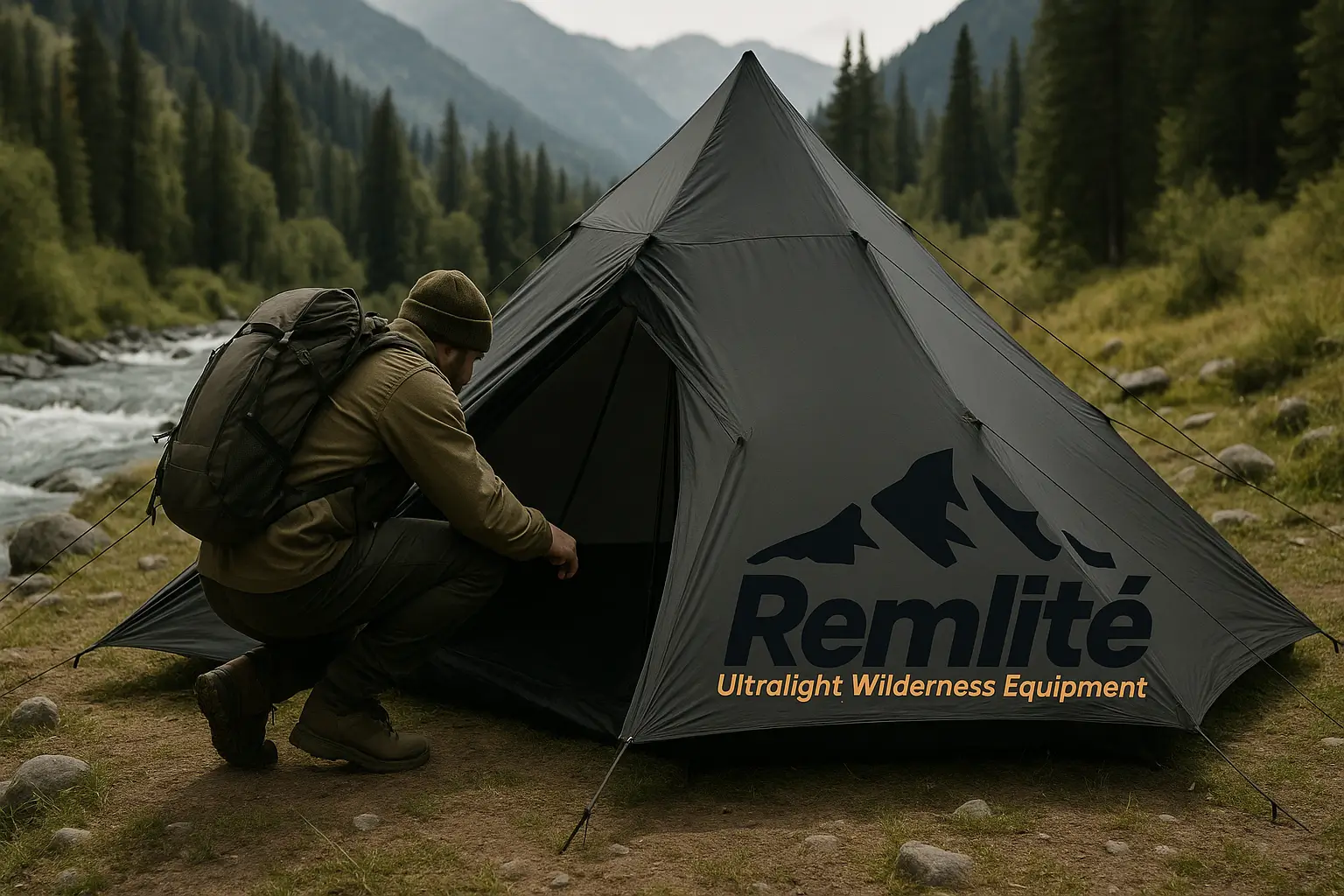
Wellington-based Remlite emerged from a personal reckoning in the Tararua Ranges. Founder Stan Leenders and his father faced deteriorating conditions during a tramping trip when heavy packs compounded the danger. That experience drove the company’s formation in 2020, built around a clear principle: every gram matters when conditions turn hostile. The Lower Hutt operation now supplies New Zealand ultralight gear to adventurers throughout the country and across the Tasman, focusing on equipment that performs under the specific stresses of Antipodean backcountry environments.
Their approach centres on real-world validation rather than theoretical specifications. Stan documents solo expeditions through his Hard Antler Hunting YouTube channel, field-testing products in the environments where customers will actually use them. This hands-on methodology shapes the product range, which emphasises dual-use functionality and European engineering standards. The company serves two distinct but overlapping communities: trampers and bikepackers chasing multi-day endurance, and hunters requiring stealth and mobility in alpine terrain.
Product selection reflects this practical foundation. Shelters, sleep systems, packs, and technical apparel arrive from global manufacturers with proven track records, then undergo adaptation for New Zealand conditions. The focus remains on items capable of withstanding the country’s notoriously variable weather, intense UV exposure, and abrasive terrain. Weight reduction never comes at the expense of durability; rather, they source gear where meticulous construction allows lighter materials to deliver comparable or superior performance to heavier alternatives.
Free nationwide shipping applies to orders exceeding 199 dollars, removing cost barriers for rural and remote customers who often need this equipment most. The 30-day return policy acknowledges that fit and function matter more than catalogue descriptions, particularly for items like packs and sleep systems where personal comfort determines success or failure. This combination of field experience, curated selection, and customer-focused policies positions them as specialists rather than generalists in the outdoor retail space.
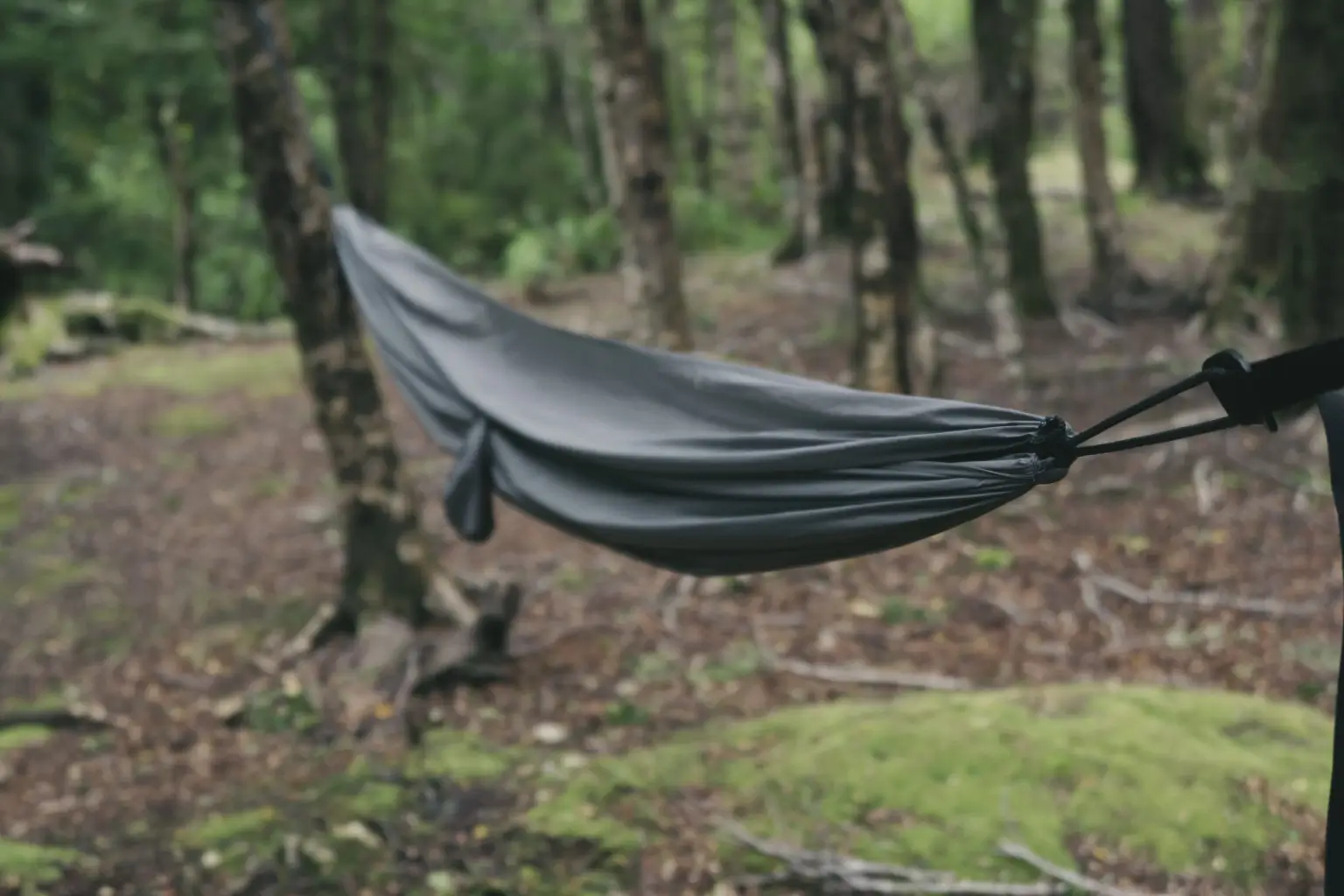
Shelter represents the heaviest single item most trampers carry, making it a primary target for weight reduction. Remlite stocks tents from Nemo, including the Hornet Elite series, which balances liveable space against pack weight. These shelters use advanced materials and construction techniques developed specifically for minimum-weight applications. Tarps offer even lighter alternatives for experienced users comfortable with exposed camping, while hammock systems from ENO, such as the Sub6 with Helios suspension, eliminate ground contact entirely. Each category serves different risk tolerances and skill levels, but all prioritise packability and rapid deployment.
Sleeping systems follow similar principles. Therm-a-Rest NeoAir pads provide insulation and cushioning at weights that seemed impossible a decade ago. Quilts replace traditional sleeping bags for those willing to accept a learning curve in exchange for substantial weight savings. The company carries both down and synthetic options, recognising that New Zealand’s damp conditions sometimes favour synthetic fill despite the weight penalty. Temperature ratings receive scrutiny; they stock only systems genuinely tested for the conditions customers will encounter rather than optimistic manufacturer claims.
Technical apparel receives equal attention, particularly New Zealand ultralight gear designed for hunters. SKRE clothing forms a featured range, engineered for silence and thermal management during stationary periods in alpine environments. These garments address the specific challenge of remaining concealed and comfortable during long waits in variable weather. Merino wool base layers from Icebreaker provide moisture management and odour resistance across multi-day trips. Rain gear must withstand New Zealand’s horizontal rain while remaining breathable enough to prevent internal condensation; they stock only proven waterproof-breathable systems that deliver on both requirements.
Packs designed for New Zealand ultralight gear carry systems reflect the philosophy that lighter loads enable safer, more enjoyable experiences. Their range includes frameless designs for experienced users carrying base weights below seven kilograms, and minimal-frame options for those transitioning from traditional packs. Proper fit matters more than features; they emphasise that an uncomfortable light pack defeats the purpose. Hunting-specific designs incorporate weapon carry systems and quieter fabrics, addressing the specialised requirements of that user group.
Supporting equipment rounds out the offering. MSR PocketRocket stoves deliver reliable performance at minimal weight. Upgrading to ultralight without replacing everything represents a common customer journey, and the company supports incremental transitions rather than demanding complete gear overhauls. Water purification systems, navigation devices, and lighting all receive the same scrutiny: does it perform reliably at the claimed weight, and will it survive New Zealand conditions? Products that fail either test don’t make the catalogue.
The Liteway brand deserves particular mention for its European engineering and compact design philosophy. These durable items arrive from manufacturers who understand that weight reduction requires obsessive attention to material selection and construction methods. Similarly, Sea to Summit accessories demonstrate how thoughtful design can eliminate unnecessary mass without sacrificing functionality. The company’s 2025 ultralight gear ideas reflect ongoing evolution in materials and techniques, keeping customers informed about emerging options that might suit their specific requirements.
They maintain stock levels across categories, recognising that trampers planning multi-day trips need reliable availability rather than backorder delays. The York Bay location provides warehouse space and full guide how to pack light for hiking resources that help customers understand the principles behind successful weight reduction. This educational component matters; purchasing light gear without understanding proper packing techniques and realistic weight targets often leads to disappointment. Their role extends beyond retail to include guidance on transitioning to lighter systems safely and effectively.