
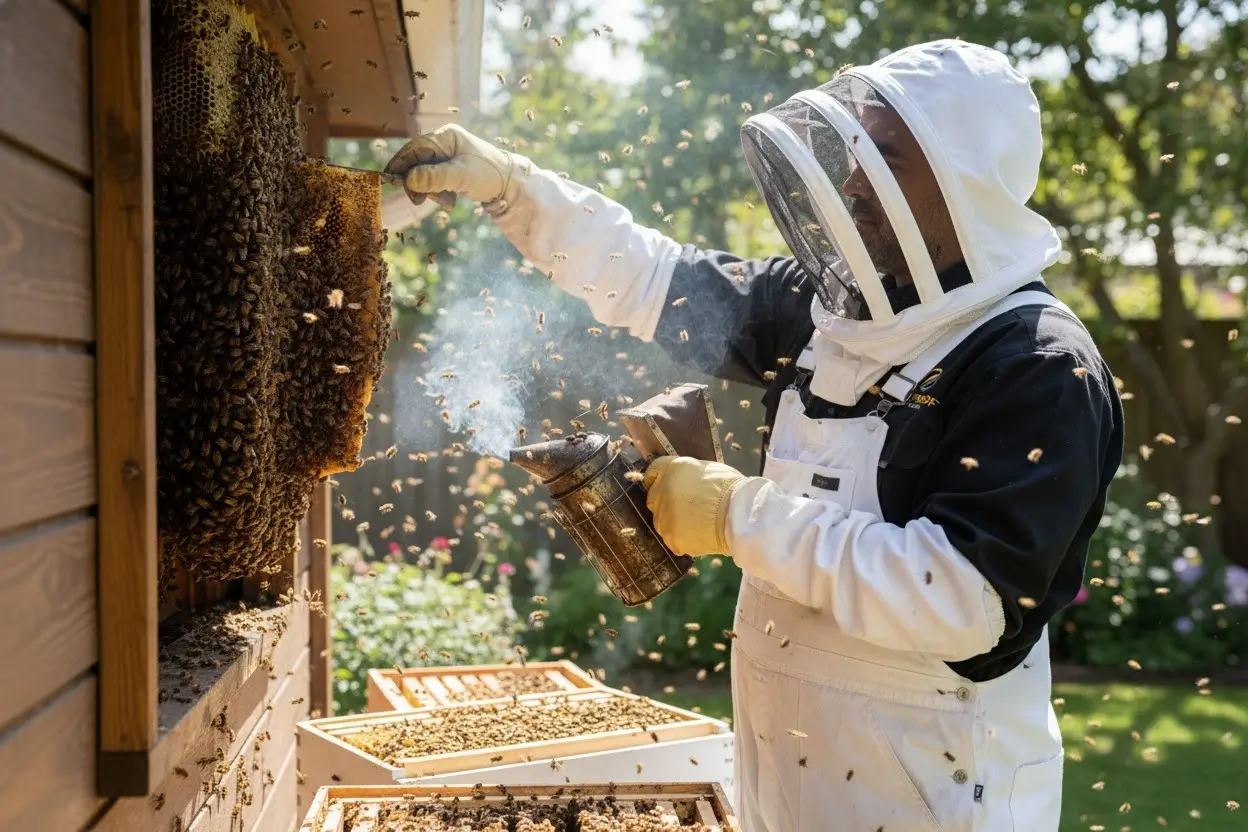
Colder months drive rodents indoors as they search for warmth, shelter, and food. Wellington properties face heightened risks during this season. Rats and mice exploit gaps in weatherboards, roof cavities, and foundations. Once inside, they reproduce rapidly, creating health hazards and structural damage. Gnawed electrical cables pose fire risks. Droppings contaminate kitchens and storage areas. Scratching sounds in walls and ceilings signal established populations.
Rodent control Wellington winter prevention strategies require more than setting traps or scattering poison. Effective programmes combine inspection, exclusion, and targeted treatments. Pestproof approaches these challenges with over three decades of specialist knowledge. Their technicians identify entry points, assess activity levels, and explain findings clearly. This transparency helps property owners understand what attracts rodents and how professional methods differ from consumer products.
Brown rats favour ground-level spaces like subfloors, garages, and garden sheds. They burrow beneath concrete slabs and nest in wall cavities near water sources. Black rats climb readily, accessing roof spaces through overhanging branches or utility lines. Mice squeeze through openings as small as six millimetres, making comprehensive sealing work necessary. Each species exhibits distinct behaviours that inform treatment strategies.
Proofing work addresses vulnerabilities before infestations develop. Technicians seal gaps around pipes, vents, and cable entries using durable materials. They repair damaged weatherboards and install door sweeps where clearances exceed safe thresholds. Roof inspections reveal access points near eaves, chimneys, and ridge caps. Vegetation management reduces climbing opportunities; branches touching rooflines provide highways for black rats.
Professional baiting systems use brodifacoum placed in secure stations. These tamper-resistant units prevent access by children, pets, and non-target wildlife. Technicians position stations strategically based on observed activity patterns. Rats and mice consume bait over several nights, carrying lethal doses back to nests. Monitoring visits track consumption rates, allowing adjustments as populations decline. This controlled approach minimises environmental risks whilst addressing entire colonies.
Seasonal patterns intensify rodent pressure on Wellington homes. Autumn sees populations at peak numbers following summer breeding cycles. As temperatures drop, rodents abandon outdoor territories for heated buildings. Properties near parks, reserves, or overgrown sections experience greater activity. Older homes with subfloor access or weatherboard construction require particular attention. Coastal areas face additional challenges from rats exploiting storm debris and vegetation.
Timing interventions before winter arrives reduces infestation risks. Autumn inspections identify vulnerabilities whilst outdoor activity remains visible. Sealing entry points in September or October prevents rodents from establishing indoor nests. Property owners who delay until hearing scratching sounds face more extensive problems. Established populations require prolonged treatments and follow-up visits.
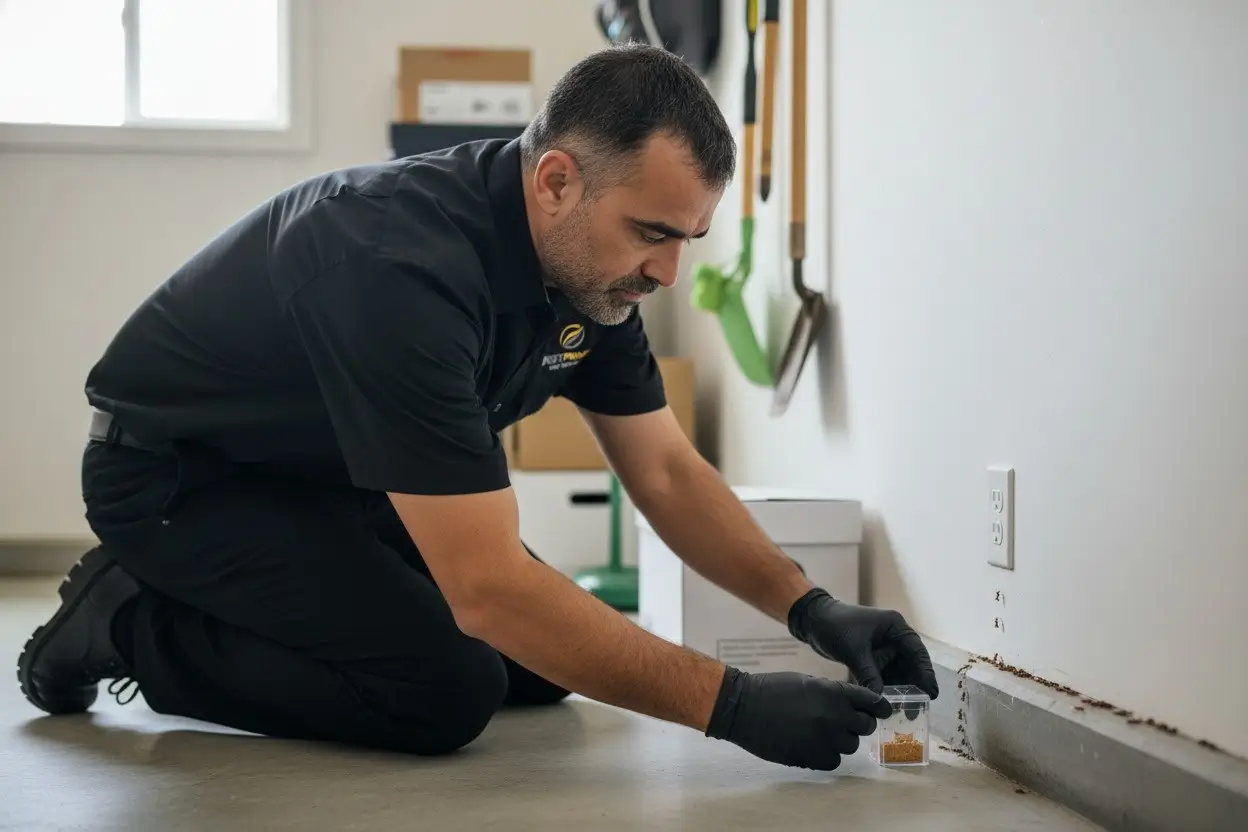
Inspection forms the foundation of effective programmes. Technicians examine properties systematically, checking subfloors, roof spaces, exterior walls, and utility entries. They look for droppings, gnaw marks, grease stains, and runways. Fresh droppings indicate active infestations; stale evidence suggests past activity. Identifying species present determines appropriate baiting locations and exclusion priorities.
Understanding different rat species helps property owners recognise signs accurately. Brown rat droppings measure approximately 12 millimetres with blunt ends. Black rat droppings appear smaller and more tapered. Mice produce pellets under six millimetres. Technicians explain these differences during inspections, educating clients about what they face. This knowledge supports prevention efforts between professional visits.
Exclusion work varies by property age and construction type. Weatherboard homes require attention to joints, corners, and floor-wall junctions. Concrete block foundations need sealing around penetrations for plumbing and electrical services. Roof treatments focus on eaves, fascia boards, and ridge caps. Technicians use materials matched to building styles, maintaining aesthetic appeal whilst delivering protection.
Baiting stations remain in place for monitoring after initial treatments. Technicians return periodically to check consumption and replenish bait as needed. This ongoing surveillance detects new activity early, preventing reinfestations. Property owners receive reports detailing findings and recommendations. Documentation supports warranty claims and demonstrates compliance for rental properties or commercial premises.
Regional pest management plans inform local strategies. Wellington’s urban environment creates corridors for rodent movement through stormwater systems, railway reserves, and green belts. Properties adjacent to these features require enhanced vigilance. Council initiatives target public land, but private property owners must address their own sites. Coordinated neighbourhood efforts yield better results than isolated treatments.
Winter conditions affect treatment methods. Wet weather increases indoor activity as rodents avoid flooded burrows. Baiting stations require weatherproofing in exposed locations. Technicians adjust placement depths and securing mechanisms to maintain accessibility whilst preventing displacement. Cold temperatures slow bait consumption slightly; monitoring schedules account for these seasonal variations.
Commercial properties face stricter requirements. Food service businesses, supermarkets, and processing facilities operate under hygiene regulations that mandate pest management documentation. Pestproof designs programmes meeting these standards, providing detailed service records and proactive monitoring. Regular visits occur on fixed schedules, ensuring compliance with health department expectations. Technicians coordinate with facility managers to minimise disruptions whilst maintaining protection.
Property managers value reliable partnerships for rental portfolios. Tenants report rodent problems, triggering rapid response protocols. Technicians assess situations, implement treatments, and follow up within warranty periods. Transparent invoicing simplifies budgeting for multiple properties. Pestproof works with firms like Quinovic, Oxygen, and Boutique, maintaining consistent service quality across diverse building types.
Predator control toolkits offer guidance for property owners seeking supplementary measures. Snap traps placed along walls near activity signs provide immediate feedback. Peanut butter or chocolate prove more attractive than cheese. Checking traps daily prevents decomposition odours from caught rodents. However, trapping alone rarely eliminates established populations; professional baiting reaches inaccessible nest sites.
Environmental considerations shape modern rodent control. Brodifacoum remains the most effective rodenticide but requires careful application. Secure stations prevent scavenging by birds, hedgehogs, and domestic animals. Technicians retrieve deceased rodents when found, reducing secondary poisoning risks. Alternative methods like snap traps suit properties where poison use raises concerns. Multi-visit programmes using mechanical traps take longer but avoid chemical residues.
Education supports long-term success. Technicians explain what attracts rodents: accessible food, water, and shelter. Storing pet food in sealed containers, fixing leaky taps, and clearing clutter reduce attractants. Compost bins require secure lids and regular turning. Bird feeders spill seed that draws rodents; positioning them away from buildings minimises risks. Firewood stacked against walls provides nesting sites; maintaining clearances improves outcomes.
Rodent control Wellington winter prevention strategies extend beyond reactive treatments. Seasonal maintenance schedules address vulnerabilities before infestations develop. Autumn inspections, proofing work, and strategic baiting create protective barriers. Property owners who invest in prevention avoid the stress, expense, and health risks associated with established infestations.
Heritage buildings require sensitive approaches. Original weatherboards, timber flooring, and architectural details demand non-invasive methods where possible. Technicians balance preservation requirements with effective rodent exclusion. Discreet baiting stations maintain aesthetics whilst protecting historic structures. Collaboration with heritage consultants ensures compliance with conservation guidelines.
Schools and childcare centres prioritise safety for young occupants. Treatments occur after hours when buildings are vacant. Bait stations install in locked areas inaccessible to children. Technicians use non-toxic monitoring devices in classrooms and play spaces, reserving toxicants for secure external locations. Documentation provided to administrators satisfies regulatory reporting requirements.
Industrial sites like warehouses, manufacturing plants, and storage facilities face unique challenges. Large footprints, loading docks, and roller doors create numerous entry opportunities. Pallet storage provides harbourage for rodent populations. Pestproof designs site-specific programmes incorporating perimeter baiting, internal monitoring, and exclusion work at vulnerable access points. Regular service visits maintain protection as operations continue.
Wellington City Council facilities benefit from experienced pest management partnerships. Public buildings, parks, reserves, and infrastructure require treatments that protect community spaces without disrupting public access. Pestproof coordinates with council staff to schedule work during low-use periods. Their familiarity with regulatory requirements streamlines approvals and ensures compliant service delivery.
Coastal properties encounter additional rodent pressures. Storm events deposit debris that attracts foraging rats. Salt spray damages building materials, creating gaps that rodents exploit. Beach access tracks and holiday homes experience seasonal occupancy patterns that allow unchecked activity during vacant periods. Technicians familiar with coastal environments tailor programmes to these specific conditions.
Warranty coverage provides peace of mind. Most treatments include three to six-month guarantees. If rodents return within that period, follow-up visits occur at no additional cost. This policy demonstrates confidence in methods and protects property owners from unexpected expenses. Clear communication about warranty terms prevents misunderstandings.
Pricing transparency appears on the Pestproof website for residential services. Commercial clients receive detailed quotes following site surveys. No hidden fees complicate budgets. Technicians explain treatment options, answer questions, and respect decisions without pressure tactics. This straightforward approach builds trust with property owners seeking honest advice over sales pitches.
Residential rodent control, commercial pest programmes, government facility services, food safety compliance, brown rat elimination, black rat management, mouse exclusion work, autumn prevention inspections, winter treatment schedules, property manager partnerships, tenant response protocols, heritage site sensitivity, school safety measures, industrial warehouse solutions, coastal property specialists, perimeter baiting systems, monitoring documentation, regulatory compliance support, seasonal maintenance contracts, multi-visit treatment plans
Pest animals Greater Wellington – Pest animals Greater Wellington
Trapping methods for rats, mice, stoats etc. Wellington – Trapping methods for rats, mice, stoats etc. Wellington
Rats animal pests and threats NZ (DOC) – Rats animal pests and threats NZ (DOC)
Control of pest mice in homes NZ – Control of pest mice in homes NZ
Regional Pest Management Plan Wellington – Regional Pest Management Plan Wellington